Go back
What is osteoporosis?
Posted on:
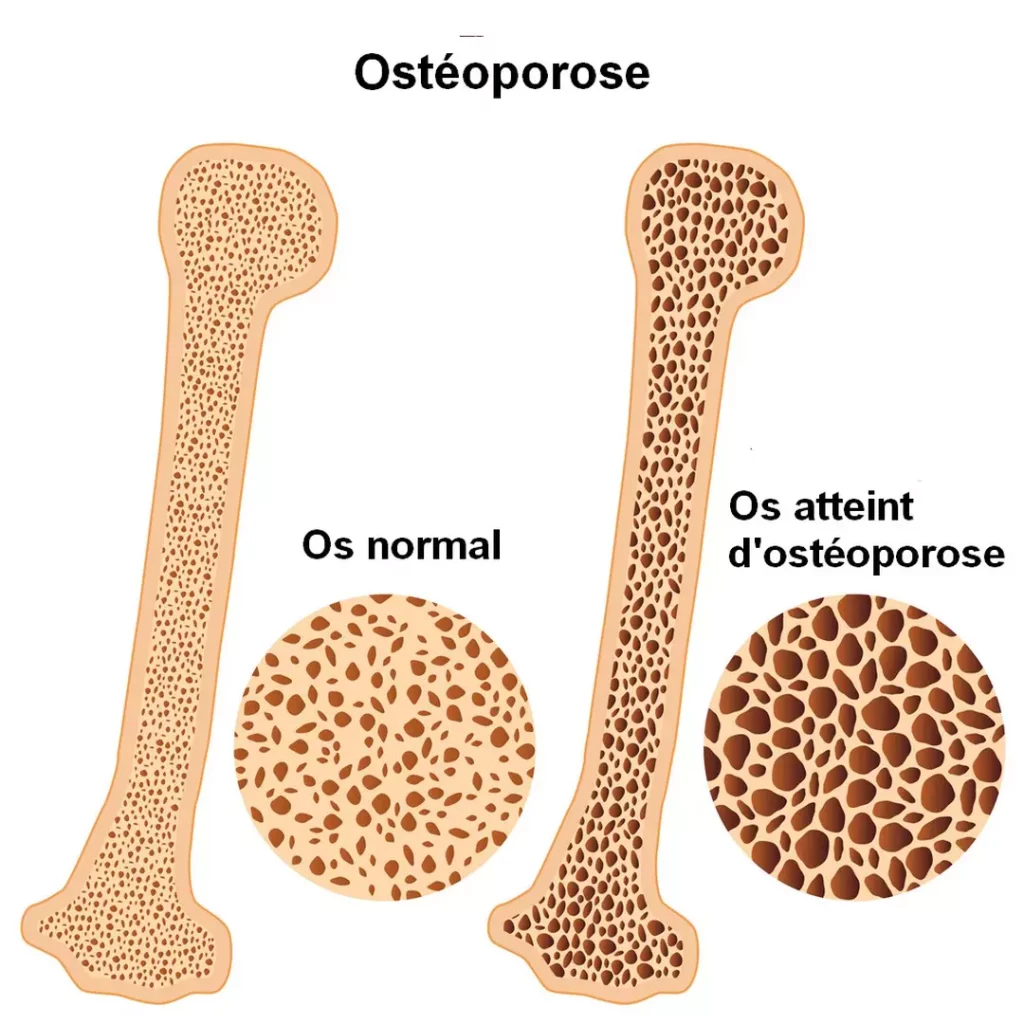
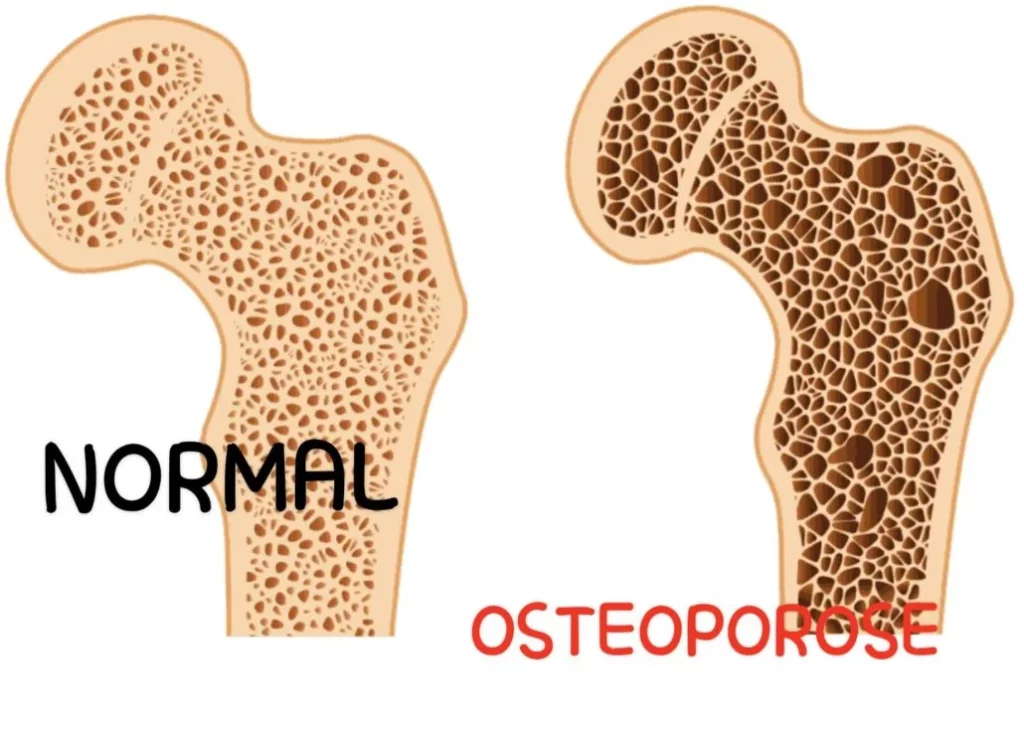
Osteoporosis is a bone disease characterized by decreased bone mineral density and deterioration of bone microarchitecture, making bones fragile and prone to fracture easily, even with minor trauma or no trauma at all. This condition is often called a “silent disease” because it often progresses without obvious symptoms until a fracture occurs.
Here are some important points to know about osteoporosis:
Risk factors
Several factors can increase the risk of developing osteoporosis, including aging, being female, a family history of fractures, early or surgical menopause, a low body mass index (BMI), a deficiency in calcium or vitamin D, a lack of physical exercise, excessive alcohol consumption, and smoking.
Diagnosis
Osteoporosis is usually diagnosed using a bone densitometry scan (DEXA), which measures bone mineral density. A T-score is used to compare an individual’s bone density to that of a healthy young adult. A T-score below -2.5 indicates osteoporosis.
Prevention and management
Osteoporosis prevention begins at a young age with healthy lifestyle habits, including a balanced diet rich in calcium and vitamin D, and regular muscle-strengthening exercises and weight training. For those already diagnosed with osteoporosis, treatment may include specific medications to prevent fractures, in addition to non-drug preventive measures.
Complications
The main complication of osteoporosis is an increased risk of fractures, particularly in the wrist, hip, and spine. These fractures can lead to severe pain, loss of mobility, a reduced quality of life, and even increased mortality, especially in the case of hip fractures.
Treatment
Osteoporosis treatment generally aims to strengthen bones to reduce the risk of fractures. This may include bisphosphonates, selective estrogen receptor modulators (SERMs), hormone replacement therapy, denosumab injections, or other specific medications, depending on individual needs and drug tolerance.
It is important to consult a healthcare professional to assess your individual risk of osteoporosis and discuss appropriate prevention and treatment measures. By adopting a healthy lifestyle and following medical recommendations, it is possible to reduce the risk of developing this disease and minimize its complications.